
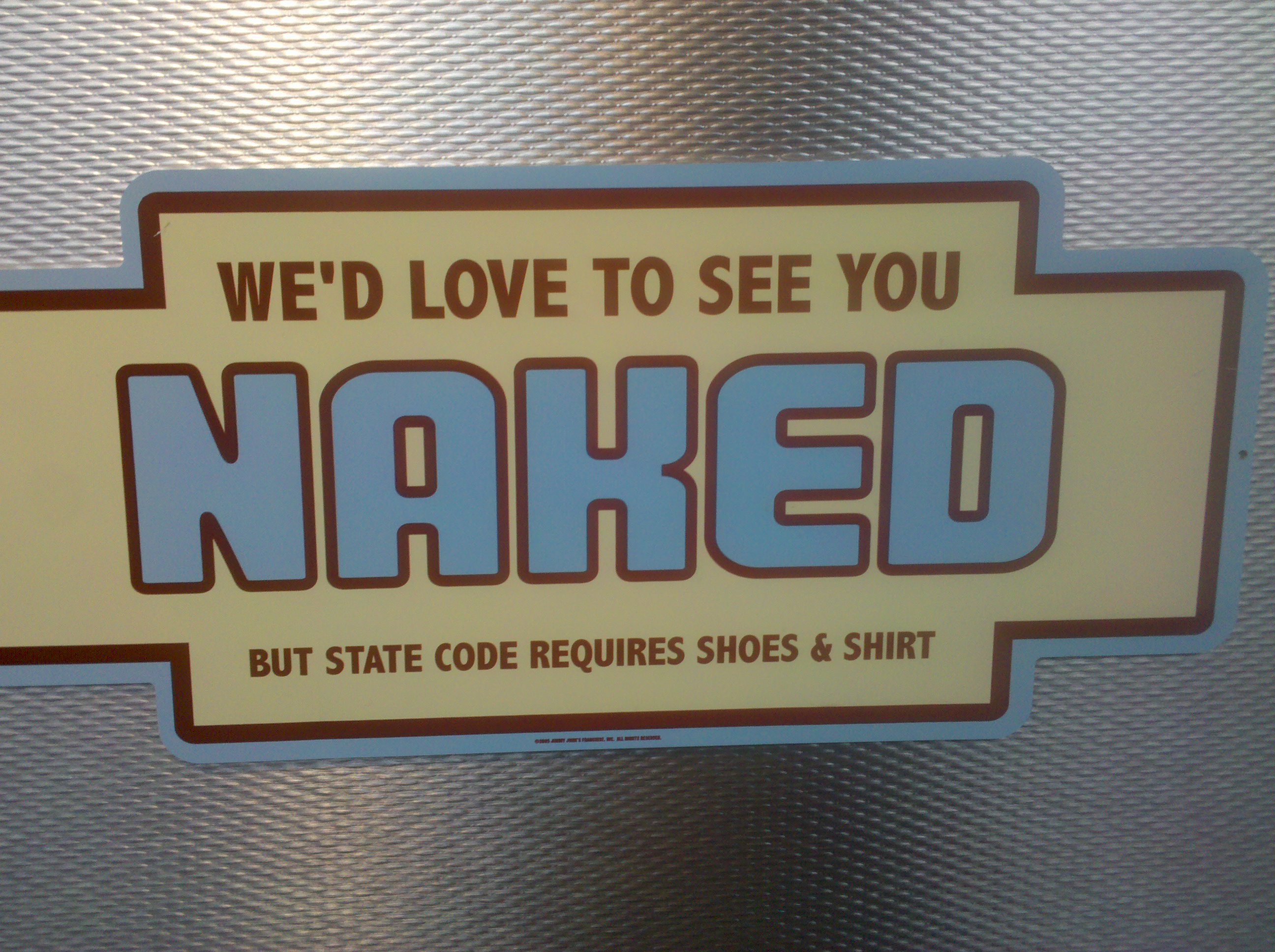
 We made a stop at Jimmy Johns sandwich shop this weekend as a family (disclaimer: I’m a huge Jimmy John’s fan–and no, they are not a client of ACH Communications). One of the first things you notice when walking through the front door is the headlines. They’re everywhere.
On table tents. On the cash register. On the walls. Heck, they’re even in the bathroom.
And, all these different media have one thing in common: They aim to stop you in your tracks.
As you may know, Jimmy Johns brand is playful, irreverant, unique. If you’ve seen their broadcast commercials or heard their radio spots, you know what I’m talking about.
And their in-store experience is really no different. All these headlines are “track-stopping” headlines. They’re not your garden-variety table tents, posters and signs. They want to shock you. To make you say, “whoa, that’s funny.” Or, “man, that’s pretty creative.” It all supports their brand. And it makes a whole lot of sense.
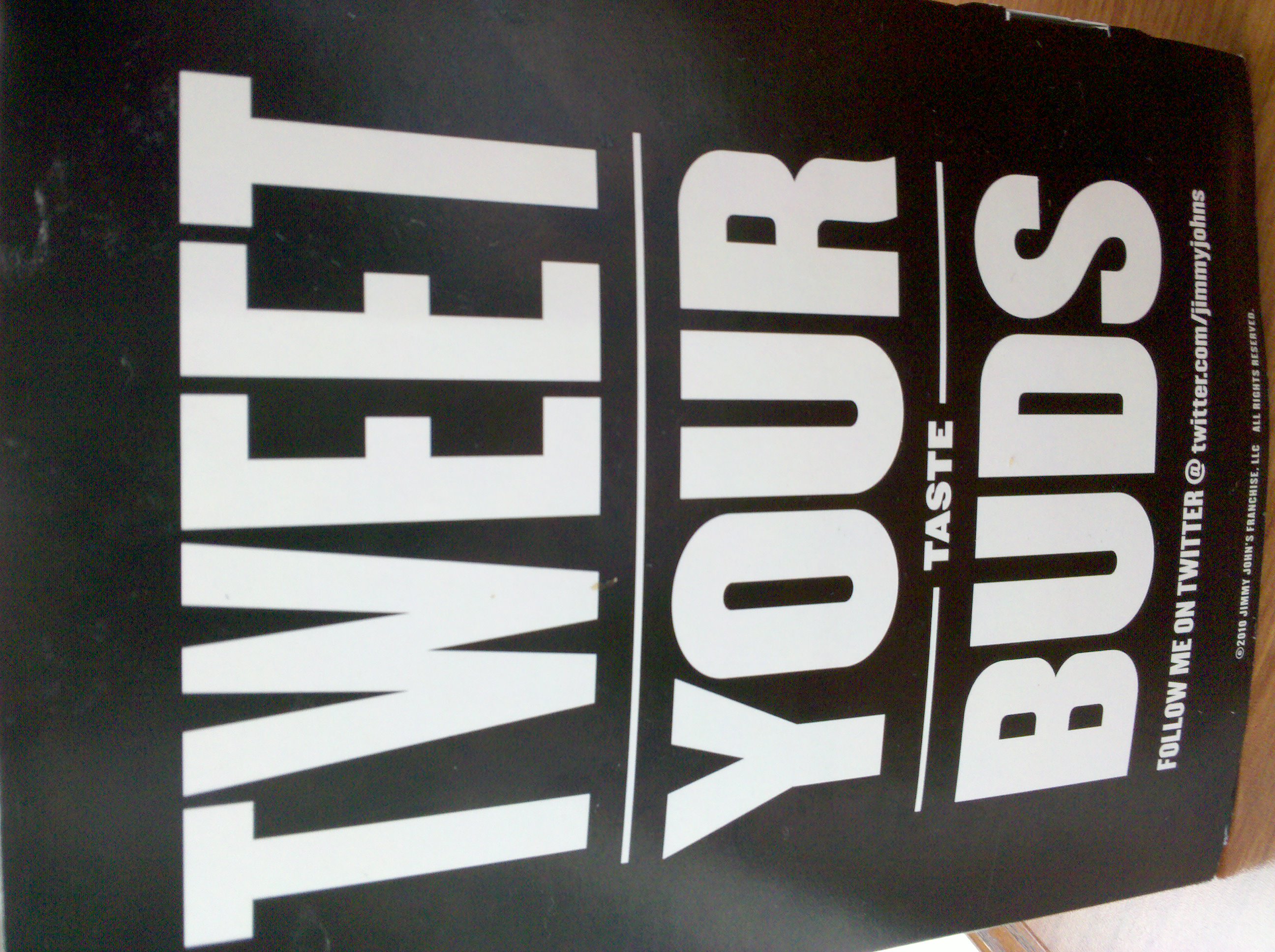 What’s more, the table tents, posters and signage in store is short, crisp and to-the-point. Most of the signage I saw contained little more than the headline.
What’s my point? Many brands have a propensity to want to say too much when it comes to marketing and advertising messages. Think about billboards. As an advertiser, you have about 3 seconds to grab the driver’s attention, relay one quick key message and a call to action. That’s it–no more.
How often do you see that? I might argue not enough.
Why? Because brands want to talk about themselves an awful lot. And why wouldn’t they? With all the features and benefits most products and services have to offer, you could go on for quite a while.
But, these brands forget one key tenet when it comes to most media these days: Less is usually more.
Just look at the Jimmy Johns collateral described above. For those folks reading this post in the Twin Cities, think about the HealthPartners campaign–they rely on a visual and usually one or two words.
Translate that to the online world. When it comes to blogging, less can definitely be more. Think about Seth Godin. While I’m not the biggest Godin fan, I definitely respect his work. Most of his posts are less than three paragraphs. Quick, to the point, and it makes you think.
Wanna talk social networking? Think about the Old Spice campaign. Sure, the real-time nature of the videos was a huge part of it success, but each video was less than a minute long. That meant virtually anyone could make the time to watch it. In essence, Mustafa had less than a minute to make you laugh.
Or, what about Twitter? Shorter is usually better anyway on that platform–if for no other reason than it encourages retweets (remember you only have a 140 characters and some folks’ handles get kinda long).
What do you think? Is less really more when it comes to branding and online efforts? Or, is there a case to be made for “more is more”? Love to hear your thoughts.

0 Comments